Nursing Shortage 2025: What's Driving the Crisis and What Actually Works
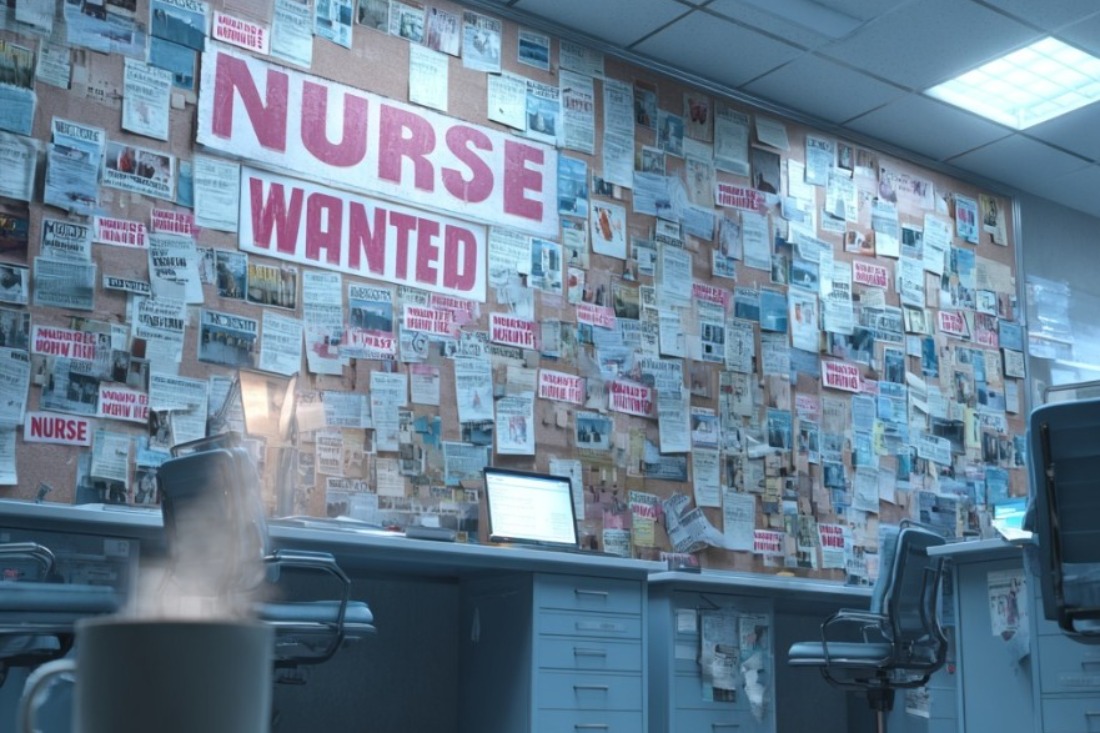
The nursing shortage isn't coming. It's already here, and it's getting worse every quarter. Hiring managers are watching requisitions age while patient loads climb to unsustainable levels. Recruiters are spinning up campaigns that yield fewer qualified applicants than they did two years ago, and the candidates who do apply often ghost interviews or accept competing offers before the process concludes. If you're responsible for staffing a healthcare facility right now, you don't need another article telling you there's a problem. You need to know why the problem exists and what you can do about it in the next quarter and the next year.
The reality is that healthcare recruitment has fundamentally changed. The strategies that worked in 2019 or even 2022 no longer produce the same results. Candidates have more options, higher expectations, and less patience for slow or opaque hiring processes. Meanwhile, the underlying supply of nurses continues to shrink relative to demand. This isn't a temporary blip caused by pandemic burnout. It's a structural shift that will define healthcare operations for the foreseeable future.
This article breaks down the root causes, the training bottleneck most people overlook, and the specific actions that can move the needle on nurse hiring challenges today and over the next 18 months.
The Numbers Behind the Pain
Let's start with what the data actually says. According to UrbanMatter, the United States is projected to face a shortage of over one million nurses by the end of this decade [3]. That figure isn't a distant forecast or a worst-case scenario. It's the trajectory we're already on, and it's shaping hiring realities across hospitals, long-term care facilities, outpatient clinics, and home health agencies right now.
The scale of this shortage is difficult to overstate. One million nurses represents a gap that cannot be closed through incremental improvements to recruitment tactics. It reflects decades of underinvestment in nursing education, compensation that hasn't kept pace with the demands of the profession, and a healthcare system that has historically treated nursing labor as an inexhaustible resource. That assumption no longer holds.
The shortage creates a domino effect that touches every part of healthcare operations. Remaining nurses work longer hours and take on heavier patient loads. Burnout accelerates, leading to more sick days, more turnover, and more nurses leaving the profession entirely. Each departure increases the burden on those who remain, creating a cycle that feeds on itself. Healthcare recruitment costs balloon as organizations compete for a shrinking talent pool, often turning to expensive travel nurses and staffing agencies to fill critical gaps.
For hiring managers, the day to day pain is tangible and relentless. Open shifts go unfilled. Mandatory overtime becomes the norm rather than the exception. Agency dependence grows, straining budgets and creating continuity issues as unfamiliar faces rotate through units. Quality metrics suffer. Patient satisfaction scores decline. And through it all, the pressure to do more with less never lets up.
The healthcare staffing crisis isn't evenly distributed either. Rural facilities and specialty units often feel it hardest because they compete for talent against larger urban systems with deeper pockets and more attractive locations. A critical access hospital in a small town cannot match the signing bonuses or career opportunities offered by a major academic medical center. Specialty areas like labor and delivery, emergency medicine, and intensive care face particularly acute shortages because these roles require additional training and experience that takes years to develop.
Why Recruiting Pipelines Cannot Keep Up
Several forces are converging to make traditional nurse hiring strategies inadequate. Understanding these forces is essential for any organization that wants to adapt rather than simply react.
The Aging Population
America is getting older, and older populations require significantly more healthcare services. The baby boomer generation is now firmly in the age range where chronic disease management, surgical interventions, and long-term care needs increase dramatically. Every year, the number of Americans over 65 grows, and with it, the demand for nursing care across virtually every setting.
This demographic shift was predictable, but healthcare systems have not adequately prepared for it. The demand side of healthcare is expanding faster than the supply side can respond, and there is no quick fix. You cannot accelerate the aging of the population, but you also cannot slow it down. The patients who need care today will need more care tomorrow, and the nurses required to provide that care are not materializing at the necessary rate.
Retirements Outpacing New Entrants
A significant portion of the nursing workforce is approaching retirement age. Many nurses who entered the profession in the 1980s and 1990s are now in their late 50s and 60s, and they are leaving the workforce in large numbers. When experienced nurses retire, they take decades of institutional knowledge with them. They understand how their units actually function, which workarounds keep things moving, and how to handle situations that don't appear in any training manual.
Replacement hiring rarely moves fast enough to maintain continuity, and even when new nurses are hired, they cannot immediately replicate the expertise of a 30-year veteran. The loss of experienced nurses also affects training capacity, since these are often the same individuals who serve as preceptors and mentors for new graduates. As they leave, the infrastructure for developing the next generation weakens.
Slow Hiring Processes
Many healthcare organizations still run hiring workflows designed for a different era. Processes that take weeks or months to move from application to offer are simply incompatible with today's candidate expectations. In a competitive market, qualified nurses often receive multiple offers within days of beginning their job search. If your process involves three rounds of interviews, committee reviews, and a two-week gap before extending an offer, you will consistently lose candidates to faster-moving competitors.
Speed matters more than ever, and legacy systems built around compliance checklists and hierarchical approvals are a liability. This doesn't mean cutting corners on credentialing or background checks. It means eliminating unnecessary delays, empowering hiring managers to make decisions, and communicating proactively with candidates throughout the process so they don't assume silence means rejection.
Recruiter Bandwidth
Internal recruitment teams are stretched impossibly thin. They're posting to job boards, screening applicants, coordinating interviews, managing compliance documentation, attending job fairs, and fielding calls from hiring managers who need positions filled yesterday. Most healthcare recruiters are handling far more requisitions than they can realistically manage with the attention each deserves.
Without reinforcement or better tools, recruitment teams simply cannot fill every opening on time. The result is a chronic mismatch between open roles and available talent. High-priority positions get attention while others languish. Candidate experience suffers when recruiters don't have time to respond promptly or provide updates. And the organization's employer brand takes a hit every time a qualified applicant feels ignored or disrespected during the hiring process.
Standard job board tactics alone won't solve this problem. Organizations need to diversify their recruitment channels, streamline their processes, and invest in the infrastructure that allows recruiters to work more effectively.
The Shortage Inside the Shortage Is Training Capacity
Here's the part most people miss when discussing the nursing shortage 2025: even if more people wanted to become nurses, the system cannot train them fast enough. The bottleneck isn't interest or motivation. It's capacity.
Faculty Shortages
Nursing schools across the country are turning away tens of thousands of qualified applicants every year, not because those applicants lack the aptitude or commitment to succeed, but because schools don't have enough instructors to teach them. According to the Daily Nurse, this faculty shortage is one of the most significant barriers to expanding the nursing pipeline [2].
The math is straightforward but grim. Nursing programs have strict faculty-to-student ratios mandated by accreditation bodies. Without enough faculty, schools cannot increase enrollment even if they have classroom space, student demand, and clinical partnerships. Every unfilled faculty position represents a cohort of students who won't graduate and won't enter the workforce.
Why don't more nurses become educators? The reasons are primarily economic and structural. Many experienced nurses choose clinical practice over teaching because faculty salaries are substantially lower than what they can earn at the bedside, especially with overtime and shift differentials. The workload in academic settings is also demanding, with expectations around research, publishing, and service that don't exist in clinical roles. For a nurse weighing their options, the financial and lifestyle calculus often favors staying in practice.
Clinical Placement Limits
Classroom instruction is only part of nursing education. New nurses need extensive hands-on clinical training to develop the skills and judgment required for safe practice. But available preceptors and clinical sites are limited, and competition for placements is intense.
Hospitals and other clinical settings can only accommodate so many students at a time without compromising patient care or overwhelming their staff. Preceptors, the experienced nurses who supervise students during clinical rotations, are already stretched thin by their regular duties. Taking on a student adds to their workload without corresponding compensation or schedule relief in most cases.
Without enough placement opportunities, schools cannot increase enrollment even when classroom capacity exists. This creates a secondary bottleneck that compounds the faculty shortage. A nursing program might have enough instructors to teach more students in the classroom but lack the clinical partnerships to give those students the hands-on experience they need to graduate.
Solutions Under Discussion
The Daily Nurse article highlights several approaches that institutions and policymakers are exploring to address these capacity constraints [2]. None of these solutions is a silver bullet, but together they represent the most promising path forward.
Increasing faculty compensation is perhaps the most direct intervention. If nursing schools can offer salaries competitive with clinical practice, more experienced nurses may choose to transition into education. This requires funding, whether from tuition increases, state appropriations, or philanthropic support, but it addresses the core economic disincentive that keeps many potential educators in practice.
Expanding simulation-based training offers a way to reduce dependence on limited clinical sites. Modern simulation labs can replicate a wide range of clinical scenarios with remarkable fidelity, allowing students to practice skills and develop judgment in controlled environments. While simulation cannot fully replace real-world clinical experience, it can supplement it effectively and allow schools to train more students with fewer placement slots.
Creating partnerships between hospitals and nursing schools helps align incentives and share resources. When a hospital views nursing education as an investment in its future workforce rather than a burden on its current staff, it becomes more willing to expand preceptor programs and clinical placements. Some systems are embedding nursing faculty in clinical settings or providing dedicated education units where students can train without disrupting regular operations.
Developing faculty residency programs eases the transition from bedside to classroom for nurses interested in teaching. These programs provide mentorship, pedagogical training, and protected time to develop as educators. By reducing the barriers to entry, residency programs can attract nurses who might otherwise be intimidated by the shift to academia.
Leveraging technology for hybrid instruction and virtual clinical experiences creates additional flexibility. Online coursework can expand access for students in rural areas or those balancing education with work and family responsibilities. Virtual reality and augmented reality tools are increasingly sophisticated and may eventually allow for clinical training experiences that don't require physical presence at a healthcare facility.
These solutions require investment, coordination, and time to implement at scale. But they represent the only realistic path to expanding nursing program capacity and addressing the supply side of the healthcare staffing crisis.
What Employers Can Do in the Next 60 to 90 Days
You can't fix the national shortage, but you can improve your position in a competitive market. The organizations that succeed in this environment are the ones that move faster, communicate better, and treat candidates like the scarce resource they are. Here's a practical checklist for immediate action.
Job Post Fixes
Your job postings are often the first impression candidates have of your organization, and many healthcare job posts are actively undermining recruitment efforts. Audit your current listings with fresh eyes, or better yet, ask a recent hire to review them and identify what's confusing, off-putting, or missing.
Remove jargon and unnecessary requirements that discourage qualified candidates from applying. If you're asking for five years of experience for an entry-level position, you're filtering out people who could succeed in the role. Lead with the information candidates care about most: schedule, pay range, unit type, and location. Bury that information in the fourth paragraph and many applicants won't read far enough to find it.
Replace vague language like "competitive salary" and "great benefits" with specifics. Candidates have learned to interpret these phrases as meaning "we don't want to tell you until we've invested time in you." That lack of transparency costs you applicants who have other options. Highlight the benefits that actually matter to nurses: sign-on bonuses, tuition assistance, flexible scheduling, retirement contributions, and childcare support.
Optimize your job titles for search by including the credential, specialty, and location. A title like "RN Emergency Department Los Angeles" will perform better in search results than "Staff Nurse III" or "Clinical Nurse."
Faster Hiring Workflow
Speed is a competitive advantage in healthcare recruitment. Map your current time to hire and identify where delays occur. Is it scheduling interviews? Waiting for approvals? Background check processing? Credentialing verification? Each bottleneck represents candidates lost to competitors who move faster.
Reduce interview rounds where possible. Does a staff nurse really need to meet with four different panels before receiving an offer? Consolidate decision-makers and empower hiring managers to make same-day conditional offers when they meet a strong candidate. The conditional offer, pending background check and credentialing, lets you secure commitment while compliance processes run in parallel rather than in sequence.
Pre-stage background check and credentialing paperwork so it's ready to initiate the moment a candidate accepts. Communicate timelines clearly and proactively. Candidates who know what to expect and when to expect it are far less likely to accept another offer out of frustration or uncertainty.
Partnerships and Referral Channels
Diversify your candidate sources beyond the major job boards where every other employer is also posting. Launch or refresh an employee referral bonus program with meaningful incentives. Your current nurses know other nurses, and a personal recommendation from a trusted colleague carries more weight than any job advertisement.
Reach out to local nursing schools about clinical rotations and hiring partnerships. Students who complete rotations at your facility are already familiar with your culture, your EMR, and your team. They require less onboarding and are more likely to succeed. Connect with workforce development boards, veteran transition programs, and community organizations that support career changers entering healthcare.
If your state allows international recruitment, explore relationships with agencies that specialize in healthcare immigration. International nurses can be an important part of a diversified talent strategy, though the timeline and regulatory requirements differ significantly from domestic hiring.
Shift and Schedule Transparency
Few factors affect nurse satisfaction and retention more than scheduling. Publish schedules further in advance so staff can plan their lives. Last-minute schedule changes and mandatory overtime mandates drive nurses away faster than almost anything else.
Offer self-scheduling options where feasible, giving nurses more control over when they work. Be upfront in job postings and interviews about overtime expectations, weekend requirements, and holiday rotations. Candidates who understand what they're signing up for are less likely to leave when the reality matches the description.
Quick Retention Actions That Reduce Churn
Recruitment and retention are two sides of the same coin. Every nurse you retain is one you don't have to replace, and replacing a nurse costs far more than most organizations realize when you factor in recruiting, onboarding, training, and lost productivity.
Conduct stay interviews with high-performing staff to understand what keeps them and what might cause them to leave. Address scheduling conflicts, workload concerns, and interpersonal issues before they become resignations. Recognize tenure milestones and achievements publicly, whether through formal awards or simple acknowledgment in team meetings.
Provide a clear path for concerns to reach leadership without fear of retaliation. Nurses who feel heard and valued are more likely to stay, even when competitors offer marginally better compensation. The relationship with direct supervisors and the sense of being respected as professionals often matter as much as pay.
What Works Over 6 to 18 Months
Short-term tactics buy you time and help you compete more effectively right now. Long-term strategies build a sustainable pipeline and reduce your dependence on external hiring over time. Here's what to prioritize over the next year or more.
Employer Sponsored Pathways
Invest in tuition assistance or loan repayment programs for nursing students who commit to working at your facility after graduation. This approach, sometimes called "grow your own," is one of the most effective ways to secure future hires before they enter the open market. You're not competing with other employers for these candidates because you've already built a relationship and a commitment.
The structure can vary. Some organizations pay tuition directly in exchange for a work commitment. Others offer loan repayment bonuses that vest over time. Still others provide scholarships to students in local nursing programs with a first-right-of-refusal hiring arrangement. The specifics matter less than the principle: invest in developing nurses and they'll work for you.
New Grad Transition Support
New graduates face a challenging transition from student to practicing nurse. The gap between what they learned in school and what they encounter on the floor can be overwhelming, and many new nurses leave the profession within their first two years due to burnout, disillusionment, or feeling unsupported.
Nurse residency programs address this by providing structured onboarding that extends well beyond the typical orientation period. These programs pair new graduates with mentors, offer skill-building sessions that address real-world challenges, and create cohorts of peers who support each other through the transition. The investment pays off in retention and competency. Nurses who complete residency programs are significantly more likely to stay with their employer and report higher job satisfaction.
Career Ladders: CNA to LPN to RN
Build internal advancement programs that help CNAs and LPNs move up the credential ladder. This approach creates loyalty, fills open roles from within, and reduces reliance on external recruiting. Employees who see a future at your organization are less likely to leave for marginal improvements elsewhere.
The pathway might include tuition support for LPN or RN programs, flexible scheduling that accommodates coursework, mentorship from nurses who made similar transitions, and guaranteed positions upon graduation. When CNAs see their colleagues advancing and being celebrated, they understand that the organization invests in its people.
Partnerships With Schools and Preceptors
Go beyond transactional relationships like job fairs and occasional campus visits. Establish ongoing, substantive partnerships with nursing programs in your region. Offer clinical placement sites that give students meaningful experience. Train your staff as preceptors and compensate them fairly for the additional responsibility.
When students rotate through your facility, they become familiar with your culture, your workflows, and your team. They build relationships with potential future colleagues. They learn your EMR and your documentation standards. By the time they graduate, working for you feels natural rather than foreign. These students become your most effective and lowest-cost hires.
Nurse retention improves when employees feel invested in and see a future with their employer. Long-term strategies like these signal commitment and differentiate your organization from competitors who offer only transactional employment relationships.
How C3H Global Helps
C3H Global Solutions is a veteran-owned, US-based platform that connects healthcare employers with qualified candidates across nursing and allied health roles. If your current job boards aren't delivering the results you need, if your recruiters are overwhelmed and your requisitions are aging, it's time to expand your visibility and diversify your sourcing channels.
The platform was built specifically for healthcare recruitment, which means it attracts candidates who are actively looking for clinical roles rather than the general job seeker population you find on broader boards. This specialization translates to higher-quality applicant flow and less time wasted on unqualified candidates.
What C3H Global offers:
- Paid job listings that reach active and passive job seekers across nursing, allied health, and healthcare support roles
- Recruiter services designed specifically for healthcare organizations navigating the staffing crunch, with expertise in the unique requirements of clinical hiring
- Global reach with listings accessible to talent across the United States and internationally, opening pipelines that domestic-only boards cannot access
- Affordable pricing that works for critical access hospitals, regional systems, and large academic medical centers alike
You don't have to rely on the same two job boards everyone else uses. When every employer is fishing in the same pond, the fish get harder to catch. Diversifying your recruitment channels is one of the fastest ways to improve applicant flow and reduce time to fill.
C3H Global also understands that healthcare hiring involves compliance, credentialing, and regulatory requirements that general staffing platforms ignore. The team speaks your language and understands your constraints.
Ready to build a stronger pipeline and compete more effectively for nursing talent? Visit www.c3hglobal.com to post your next role or connect with the team about partnership options that fit your organization's needs and budget.
Frequently Asked Questions
What is causing the nursing shortage in 2025?
The shortage results from multiple converging factors. An aging population requires significantly more healthcare services. A large cohort of experienced nurses is reaching retirement age and leaving the workforce. Faculty shortages at nursing schools limit how many new nurses can be trained. And hiring processes at many organizations are too slow to compete effectively for available talent. These forces compound each other, creating a gap between supply and demand that continues to widen.
How does the faculty shortage affect nurse hiring?
Nursing schools cannot accept more students without more instructors to teach them. Accreditation requirements mandate specific faculty-to-student ratios, so unfilled faculty positions directly limit enrollment. This means fewer new nurses graduate each year, even when student interest is high and clinical demand is growing. The faculty shortage is essentially a bottleneck that constrains the entire pipeline.
What can employers do immediately to improve nurse hiring?
Start by auditing job posts for clarity, specificity, and search optimization. Speed up hiring workflows by identifying and eliminating bottlenecks. Launch or refresh employee referral programs with meaningful incentives. Improve schedule transparency so candidates know what to expect. And implement quick retention actions like stay interviews and milestone recognition that reduce turnover and preserve your existing workforce.
What long-term strategies help with nurse retention?
Employer-sponsored education pathways that help employees advance their credentials build loyalty and reduce turnover. New grad residency programs support nurses through the challenging transition from school to practice. Internal career ladders from CNA to LPN to RN show employees a future at your organization. And substantive partnerships with nursing schools create familiarity and relationships that translate into more effective hiring.
How can C3H Global Solutions help with healthcare recruitment?
C3H Global is a healthcare-focused job marketplace that expands your visibility beyond traditional boards. The platform offers paid listings, recruiter support services, and access to a global candidate pool at competitive rates. Because it specializes in healthcare, it attracts candidates actively seeking clinical roles, which improves applicant quality and reduces time wasted on unqualified candidates.
References
- MedPage Today. "Second Opinions." https://www.medpagetoday.com/opinion/second-opinions/118913
- Daily Nurse. "Nursing Faculty Shortage Solutions." https://dailynurse.springerpub.com/nurse-educator/nursing-faculty-shortage-solutions/
- UrbanMatter. "America's Nursing Shortage: Causes and Solutions." https://urbanmatter.com/americas-nursing-shortage-causes-and-solutions/