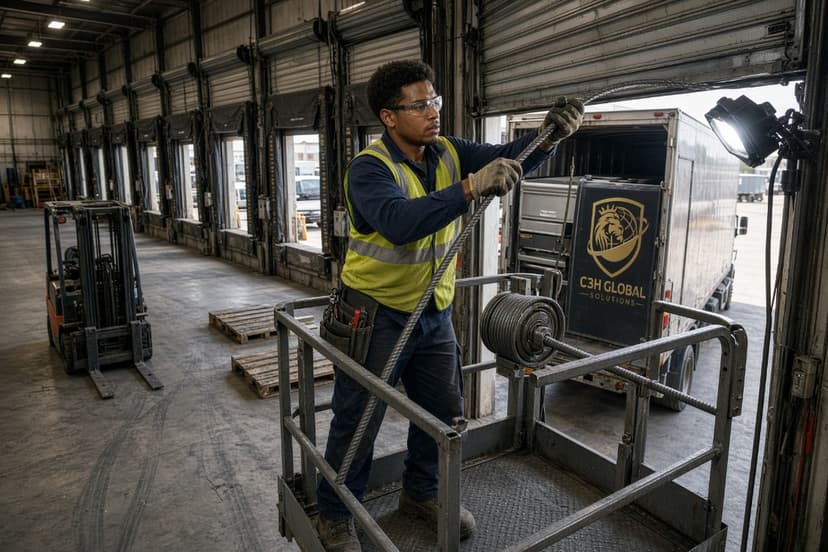
Why Skilled Trades Are Facing the Largest Labor Shortages in 2025 and How C3H Global is Solving the Hiring Crisis
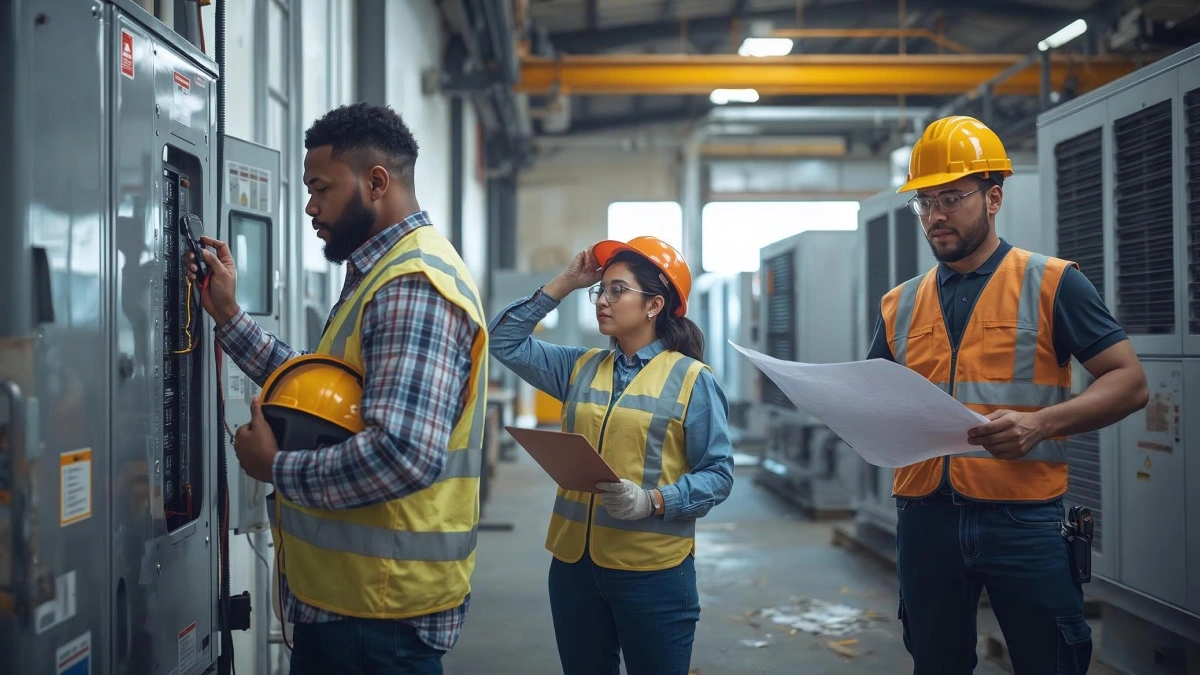
C3H Global creates a comprehensive ecosystem that highlights skilled trades opportunities alongside other practical industries, recognizing that modern workers often pursue multiple income streams and diverse career paths that do not fit traditional employment categories. The platform connects overlooked workers including veterans transitioning from military service, mid career professionals seeking more hands on and meaningful work, and young adults exploring alternatives to traditional college paths with companies urgently needing their potential and fresh perspectives.
The platform facilitates both full time employment and project based work arrangements, acknowledging the flexible nature of skilled trades careers where workers may prefer seasonal employment, contract work, or combination approaches that maximize earning potential while providing schedule flexibility. An experienced welder might work full time for a manufacturing company while taking weekend projects through C3H Global, or a retired electrician might use the platform to find part time work that supplements their pension while keeping their skills current and contributing to their community.
This flexibility benefits both workers seeking diverse opportunities and employers needing temporary expertise for specific projects or seasonal work that traditional hiring approaches cannot accommodate effectively. Small contractors can find additional crew members for large projects without the overhead of permanent hiring, while major construction companies can supplement their core workforce during peak demand periods without long term employment commitments.
Consider the example of Southwest Construction Solutions, a mid size firm struggling to find qualified electricians for a large commercial project that required specialized high voltage experience. After weeks of unsuccessful recruiting through traditional channels including newspaper advertisements, online job boards, and referrals from other contractors, they posted detailed positions on C3H Global with comprehensive project descriptions, competitive compensation packages that included overtime opportunities, and clear timelines that allowed workers to plan their availability.
Within days of posting, they connected with three experienced electricians who had been overlooked by mainstream platforms and traditional recruiting methods. The first was a veteran transitioning from military service who possessed extensive electrical training but lacked civilian work experience that traditional employers required. The second was an experienced electrician relocating from a different state whose licensing and credentials were not immediately recognized by local contractors unfamiliar with out of state qualifications. The third was a semi retired master electrician seeking project work between full time positions who wanted flexible scheduling that permanent employment could not provide.
The construction firm completed their project ahead of schedule due to the high quality work and strong work ethic of these electricians, while the workers found opportunities that matched their specific needs and circumstances perfectly. This example illustrates how C3H Global's targeted approach solves problems that generic platforms cannot address by understanding the unique characteristics of skilled trades employment and the diverse circumstances of skilled trades workers.
The platform's success stems from its recognition that skilled trades hiring requires different approaches than corporate recruiting. Rather than focusing on resume keywords and formal qualifications, C3H Global emphasizes practical skills, hands on experience, and direct communication between employers and workers. This approach better serves an industry where personal references, demonstrated competency, and practical problem solving ability often matter more than formal credentials or polished interview performance.
C3H Global also addresses the geographic challenges that complicate skilled trades hiring by connecting workers willing to travel with projects that require specific expertise regardless of location. A specialized welder in Ohio might find opportunities with a shipbuilding company in Louisiana, while a commercial electrician in Texas might connect with a data center project in Virginia that needs their specific experience with high capacity electrical systems.
The platform's emphasis on transparent communication eliminates many of the misunderstandings that plague traditional hiring processes. Job postings include detailed information about working conditions, safety requirements, equipment provided, and accommodation arrangements for traveling workers. This transparency allows workers to make informed decisions about opportunities while helping employers attract candidates who understand and accept project requirements.
Furthermore, C3H Global serves as a bridge between different segments of the skilled trades workforce that traditional hiring methods often treat as separate markets. The platform connects union and non union workers with appropriate opportunities, facilitates partnerships between large contractors and small specialty firms, and helps experienced workers find mentoring opportunities with companies seeking to develop their workforce.# Why Skilled Trades Are Facing the Largest Labor Shortages in 2025 and How C3H Global is Solving the Hiring Crisis
The construction foreman stares at the half built apartment complex as another week passes without progress. No electricians available to wire the units. No welders to complete the structural steel. The Conclusion
sits frozen while families wait for housing that may never come. This scene repeats across America in 2025, where the skilled trades shortage has reached a critical breaking point that threatens the backbone of our economy.
The year 2025 marks a pivotal moment when decades of neglecting skilled trades education and workforce development have converged into a perfect storm. Baby Boomers are retiring faster than millennials and Gen Z workers are entering these essential fields. Infrastructure projects mandated by federal legislation sit stalled. Manufacturing facilities struggle to maintain operations. The lights, bridges, homes, and factories that power American life hang in the balance.
Enter C3H Global, a veteran owned platform designed to directly connect skilled workers with the employers desperately seeking their expertise. While traditional job boards focus on white collar careers, C3H Global recognizes that America's future depends on the hands that build, wire, weld, and maintain our physical world.
The Scope of the Skilled Trades Shortage
The numbers paint a stark picture of America's skilled trades crisis. The Bureau of Labor Statistics projects that construction alone will need to add 430,000 new workers annually through 2031 just to meet demand. Meanwhile, the National Association of Home Builders reports that 86% of construction firms struggle to find qualified workers. In manufacturing, over 2.1 million jobs could go unfilled through 2030, with many requiring skilled trades expertise.
Electrical work faces particularly acute shortages, with demand expected to grow 8% annually while the supply of qualified electricians increases by just 3%. Welding presents similar challenges. The American Welding Society estimates a shortage of 400,000 welders by 2026. These are not just statistics; they represent critical gaps that ripple through every sector of the economy.
The mismatch between supply and demand has reached unprecedented levels. For every qualified electrician seeking work, there are four open positions. Construction companies report bidding wars for experienced foremen and project managers. Manufacturing plants delay expansion plans indefinitely, waiting for skilled maintenance technicians who may never materialize.
Plumbing faces similar challenges, with aging master plumbers retiring faster than apprentices can replace their expertise. The American Society of Plumbing Engineers reports that 56% of plumbing contractors cannot find enough qualified workers to meet current demand. HVAC technicians are equally scarce, particularly those qualified to work with modern high efficiency systems and commercial installations. The shortage extends beyond traditional construction trades into manufacturing specialties like industrial maintenance, quality control technicians, and equipment operators.
Regional variations make the shortage even more complex. States experiencing rapid population growth like Texas, Florida, and Arizona face particularly severe shortages as construction demand outpaces workforce availability. Meanwhile, Rust Belt states struggle with aging infrastructure that requires specialized maintenance expertise while simultaneously dealing with workforce outmigration to growing regions. Rural areas face unique challenges where limited training programs and smaller contractor networks create isolated pockets of extreme shortage.
Root Causes of the Shortage
Understanding the skilled trades shortage requires examining the converging forces that created this crisis over decades of systematic neglect and misguided priorities.
An aging workforce nearing mass retirement represents the most immediate and catastrophic challenge facing skilled trades. The average age of construction workers is 42, with many master craftsmen in their 50s and 60s preparing to retire within the next five to ten years. These experienced professionals carry institutional knowledge and expertise that cannot be easily replaced through textbooks or online courses. When a master electrician with 30 years of experience retires, losing their skills creates a gap far beyond a single job opening. They take with them the ability to troubleshoot complex problems, mentor younger workers, and handle the most challenging projects that define industry excellence.
The retirement wave extends across all skilled trades. Master plumbers who understand both modern systems and legacy installations are leaving the workforce faster than they can train replacements. Experienced welders who can work with exotic materials and complex joint configurations are retiring without passing their knowledge to the next generation. Construction foremen who can coordinate multiple trades, manage complex projects, and solve problems in real time are stepping away from careers that span decades of hands on experience.
Declining trade school enrollment has systematically reduced the pipeline of new skilled workers entering the market. Community college enrollment in construction and manufacturing programs dropped 23% between 2010 and 2020, representing tens of thousands of potential workers who chose different paths. Many high schools eliminated or drastically reduced vocational education programs, directing students exclusively toward four year college preparation tracks. The result is an entire generation with limited exposure to skilled trades as viable career paths.
This decline in vocational education created a cascading effect throughout the education system. Shop classes that once introduced students to woodworking, metalworking, and electrical systems disappeared from curricula. Career counselors, lacking knowledge about skilled trades opportunities, consistently steered students toward traditional college paths. Parents who themselves worked in offices or professional settings could not provide guidance about trades careers they had never experienced or understood.
The few remaining trade programs often struggle with outdated equipment, limited funding, and difficulty attracting qualified instructors who can earn significantly more working in industry than teaching. This creates a vicious cycle where declining program quality leads to reduced student interest, which further reduces program funding and support.
Cultural emphasis on college degrees over practical skills has stigmatized manual labor careers for decades through systematic messaging that equates success with white collar employment. Parents, guidance counselors, and society at large promoted the narrative that success requires a bachelor's degree and office based work. This cultural bias overlooked the reality that many skilled trades offer higher lifetime earnings than typical college graduate careers, often without the burden of student loan debt that can exceed $100,000.
The cultural stigma runs deeper than simple career preferences. Manual work became associated with lower social status, limited intelligence, and reduced life prospects. Television shows, movies, and media consistently portrayed skilled trades workers as secondary characters while celebrating college educated professionals as aspirational figures. This messaging created generational prejudice where families actively discouraged children from considering trades regardless of aptitude, interest, or economic opportunity.
Professional networks and social circles often exclude skilled trades workers, creating invisible barriers that reinforce class distinctions. College educated parents struggle to provide career guidance for trades paths they do not understand, leading to missed opportunities and misdirected career planning. The result is artificial scarcity in skilled trades while other career fields experience oversaturation and reduced opportunities.
Gaps in training and certification pathways create additional barriers for potential workers seeking clear routes into skilled trades careers. Unlike college programs with standardized four year timelines and predictable outcomes, skilled trades training varies widely in quality, duration, and industry recognition. Apprenticeship programs, while highly effective for those who complete them, often have long waiting lists and limited capacity that cannot accommodate the number of interested candidates.
The fragmented nature of trades training creates confusion for prospective workers who cannot easily compare options or understand which programs lead to meaningful career opportunities. Some programs focus on basic skills that leave graduates underqualified for well paying positions, while others require extensive prerequisites that delay entry into the workforce. Industry certifications vary by state, specialty, and employer requirements, making it difficult to create portable credentials that work across different markets.
Furthermore, the disconnect between training programs and actual employer needs means that graduates sometimes possess theoretical knowledge but lack practical skills that employers value. The absence of standardized, accessible training paths discourages many potential workers who seek clear directions toward stable careers.
Negative perceptions of manual labor persist despite dramatic improvements in working conditions, safety standards, and compensation that have transformed skilled trades into modern, technology integrated careers. Many Americans still view skilled trades through outdated stereotypes of dangerous, low paying, dead end jobs that offer little intellectual challenge or career advancement. This perception ignores current realities where skilled electricians routinely earn six figure salaries, welders work on cutting edge aerospace projects using advanced materials and techniques, and construction managers oversee multimillion dollar developments that require sophisticated project management and technical expertise.
Modern skilled trades work involves complex problem solving, advanced technology integration, and continuous learning that rivals any professional career. Today's electricians must understand solar power systems, electric vehicle charging infrastructure, and smart building automation. Welders work with space age materials, robotic systems, and precision techniques that require years of specialized training. Construction workers use laser guided equipment, computerized project management systems, and advanced materials that would be unrecognizable to previous generations.
The safety improvements in skilled trades have been remarkable, with injury rates declining significantly due to better training, improved equipment, and stronger regulatory oversight. Many skilled trades workers enjoy better work life balance than their office bound counterparts, with clear boundaries between work and personal time, opportunities for physical activity that promotes health, and the satisfaction of creating tangible results that will last for decades.
Impact on Employers and the Economy
The skilled trades shortage creates cascading effects throughout the American economy that extend far beyond individual job openings, threatening the foundation of economic growth and stability. Project delays have become the norm rather than the exception, with construction timelines stretching 40% to 60% longer than planned due to workforce shortages. These delays translate directly into increased costs, with some projects seeing budgets balloon by millions of dollars as materials sit unused, equipment remains idle, and financing costs accumulate during extended construction periods.
The ripple effects of these delays touch every sector of the economy in ways that compound over time. When new housing construction falls behind schedule, families remain in temporary housing, rental markets tighten, and home prices increase due to supply constraints. Commercial construction delays mean businesses cannot expand, leading to lost revenue, delayed hiring, and reduced economic growth in communities that depend on these investments.
Manufacturing faces particularly acute challenges when skilled maintenance positions remain unfilled. A single experienced industrial electrician might service equipment worth millions of dollars. When that position goes unfilled, entire production lines risk shutdown, affecting not only the immediate facility but also downstream suppliers and customers who depend on consistent production. The economic multiplier effect means each unfilled skilled trades position can impact dozens of other jobs and thousands of dollars in economic activity throughout supply chains.
Safety concerns multiply exponentially when employers resort to less qualified workers or overwork existing staff to meet project deadlines and contractual obligations. Inexperienced workers face significantly higher injury rates, particularly in electrical work where mistakes can be fatal and welding where improper technique can cause serious burns or structural failures. Meanwhile, overtime fatigue among experienced workers increases accident rates across all skill levels, creating liability issues and human costs that extend beyond immediate project concerns.
The infrastructure crisis exemplifies how skilled trades shortages affect daily life for all Americans. With hundreds of thousands of electricians needed immediately and similar shortages in plumbing, HVAC, and specialized construction trades, new home construction cannot meet demand despite strong economic fundamentals and available financing. This shortage contributes directly to housing affordability challenges affecting millions of American families who find themselves priced out of homeownership not due to economic conditions but due to construction capacity constraints.
Aging infrastructure requires constant maintenance and upgrades that cannot happen without skilled workers, leading to the deteriorating bridges, power grids, and water systems that make headlines when they fail catastrophically. The American Society of Civil Engineers estimates that delayed maintenance due to workforce shortages will cost Americans hundreds of billions of dollars in emergency repairs and economic losses over the next decade.
Energy sector impacts deserve particular attention as the nation transitions to renewable energy sources while maintaining existing power generation and distribution systems. Solar panel installation requires skilled electricians who understand both traditional electrical systems and modern photovoltaic technology. Wind turbine maintenance demands specialized technicians who can work at heights while troubleshooting complex mechanical and electrical systems. The shortage of qualified workers slows the renewable energy transition while simultaneously threatening maintenance of existing power infrastructure that millions depend on daily.
Transportation infrastructure faces similar challenges as highway construction, bridge maintenance, and airport expansion projects compete for the same limited pool of skilled workers. The Infrastructure Investment and Jobs Act allocated over one trillion dollars for infrastructure improvements, but these investments cannot be realized without sufficient workforce to implement the projects. This creates a situation where allocated funds remain unspent while critical infrastructure continues to deteriorate due to workforce limitations rather than financial constraints.
The Job Seeker's Perspective
For workers willing to learn skilled trades, 2025 presents unprecedented opportunities that many overlook due to persistent myths and stigmas that no longer reflect economic reality. The financial benefits of skilled trades careers often surpass typical college graduate expectations in both immediate earning potential and lifetime career trajectories. Experienced electricians routinely earn $70,000 to $100,000 annually, while specialized welders in aerospace, underwater, or nuclear applications command six figure salaries that exceed many professional careers requiring advanced degrees.
Master plumbers frequently earn more than lawyers when considering both salary and business ownership opportunities. Construction foremen often out earn middle managers in corporate settings while enjoying greater job security and more tangible career satisfaction. These compensation levels reflect the market reality of supply and demand, where scarce skilled workers can command premium wages from employers desperate to complete projects and maintain operations.
Beyond immediate compensation, skilled trades offer job security that few industries can match in an era of economic uncertainty and technological disruption. Houses will always need electrical work, infrastructure requires constant maintenance, and manufacturing depends on skilled technicians regardless of economic cycles or technological advances. Unlike white collar jobs vulnerable to outsourcing, automation, or corporate restructuring, skilled trades require physical presence and hands on expertise that cannot be replaced by remote workers or artificial intelligence.
The flexibility of skilled trades careers appeals to workers seeking alternatives to traditional employment structures and corporate hierarchies. Many electricians, plumbers, and contractors successfully operate their own businesses, setting their own schedules, choosing their projects, and building wealth through business ownership rather than depending solely on wages. Others enjoy the variety of working on different sites and facing new challenges rather than sitting in the same office cubicle performing repetitive tasks daily. The tangible nature of the work provides satisfaction that many office workers never experience. At the end of each day, skilled trades workers can see exactly what they accomplished, whether it's a completed building, a functioning electrical system, or a precision welded structure that will serve its purpose for decades.
Career advancement opportunities in skilled trades follow clear, merit based progressions that reward competence and dedication rather than office politics or credential requirements. Apprentices advance to journeymen based on demonstrated skills and knowledge rather than subjective performance reviews or networking abilities. Experienced workers often transition into supervisory roles, start their own companies, or specialize in high demand areas like renewable energy installation, advanced manufacturing techniques, or historical restoration projects.
The entrepreneurial potential in skilled trades exceeds most other career fields, with relatively low startup costs and immediate market demand for services. An experienced electrician can start a contracting business with basic tools and a truck, building a client base through quality work and referrals rather than expensive marketing campaigns or advanced degrees. Many skilled trades workers develop multiple income streams, combining employment with side projects, consulting work, or specialized services that leverage their expertise.
Geographic flexibility represents another significant advantage of skilled trades careers. Construction projects exist in every community, manufacturing facilities operate nationwide, and infrastructure maintenance creates job opportunities in every region. Skilled workers can relocate based on personal preferences, family considerations, or economic opportunities without the constraints that limit other careers to specific metropolitan areas or industry centers.
The learning environment in skilled trades appeals to people who prefer hands on education over classroom theory. Apprenticeships provide immediate earning opportunities while learning, avoiding the student debt burden that saddles many college graduates. The progression from apprentice to journeyman to master craftsman provides clear milestones and recognition that validate growing expertise and competence.
Work life balance in modern skilled trades often surpasses office careers, with defined project timelines, overtime compensation, and physical separation between work and home life. Many skilled trades workers enjoy the physical activity aspects of their careers, which promotes better health outcomes than sedentary office work. The variety of work environments, from outdoor construction sites to high tech manufacturing facilities, provides mental stimulation and prevents the monotony that characterizes many office positions.
Recruiter and Workforce Development Struggles
Professional recruiters face unique and complex challenges when sourcing skilled trades candidates that simply do not exist in typical white collar hiring processes. Traditional recruiting strategies including LinkedIn searches, college career fairs, and professional networking events often miss the blue collar workforce entirely. Skilled trades workers typically find jobs through word of mouth recommendations, union halls, trade publications, or direct relationships with contractors rather than corporate job boards designed for office based careers.
The cultural gap between recruiters and skilled trades workers creates communication barriers that undermine effective hiring. Recruiters trained in corporate environments may not understand the practical concerns of tradespeople, such as travel requirements, overtime expectations, or equipment preferences. They may struggle to assess technical competencies that cannot be evaluated through standard interview processes, requiring hands on demonstrations or work samples that fall outside typical hiring protocols.
Certification requirements create additional layers of complexity for recruiters who must navigate various state licensing systems, union classifications, and industry specific qualifications that change frequently and vary significantly between jurisdictions. An electrician licensed in Texas may need additional certifications to work in California, while welders must demonstrate proficiency in specific techniques for different industries ranging from shipbuilding to aerospace manufacturing. These requirements create bottlenecks that delay hiring even when qualified candidates are available and interested in positions.
The specialized nature of many skilled trades positions makes it difficult for generalist recruiters to understand job requirements and evaluate candidate qualifications. A construction project might need electricians with specific high voltage experience, welders certified in particular techniques for specific materials, and HVAC technicians familiar with commercial systems rather than residential installations. These nuanced requirements do not translate well to generic job posting formats designed for marketing managers and software developers.
Long training pipelines compound recruiting challenges by creating uncertainty about future workforce availability that makes strategic planning nearly impossible. Apprenticeship programs typically require three to four years to complete, making it difficult to predict how many qualified workers will be available for future projects. This uncertainty forces employers to compete more aggressively for existing workers rather than developing sustainable long term workforce strategies that could address underlying shortage issues.
Union relationships add another layer of complexity to skilled trades recruiting, particularly in regions with strong labor organization presence. Recruiters must understand prevailing wage requirements, work rules, and jurisdiction boundaries that affect project staffing. Non union contractors may face different challenges in attracting workers who prefer union benefits and job security, while union contractors must work within collective bargaining agreements that limit recruiting flexibility.
Geographic considerations play a larger role in skilled trades recruiting than in most other industries. Construction projects often require workers to travel to remote locations for extended periods, while manufacturing positions may be located in areas with limited housing or amenities. Recruiters must understand and communicate these factors while competing with local opportunities that do not require relocation or extended travel commitments.
Traditional hiring platforms fail skilled trades recruiting because they were designed for office based careers with standardized job descriptions and requirements that do not reflect the reality of skilled trades employment. The emphasis on formal education credentials, corporate keywords, and lengthy application processes alienates skilled trades workers who value direct communication, practical skills assessment, and straightforward hiring decisions.
Skills assessment presents particular challenges in skilled trades recruiting where practical competency matters more than resume credentials or interview performance. A welder's ability cannot be determined through conversation alone, requiring hands on testing that many employers are not equipped to provide during initial screening processes. Similarly, electrical troubleshooting skills or precision machining capabilities require practical demonstration that falls outside standard hiring protocols.
The seasonal nature of some skilled trades work creates additional recruiting complications as workers may be available during certain months but committed to other projects during peak construction seasons. Recruiters must understand these patterns and plan accordingly, often maintaining relationships with workers who may not be available for immediate placement but could be valuable candidates for future opportunities.
Where C3H Global Fits In
C3H Global addresses skilled trades hiring challenges through a platform specifically designed for practical industries rather than corporate careers that dominate mainstream job boards. The platform recognizes that hiring a master electrician requires fundamentally different approaches than recruiting a marketing coordinator, and its design reflects this understanding through industry specific features and functionality that serve the unique needs of skilled trades employers and workers.
For employers struggling to find qualified candidates, the platform provides affordable job postings that reach skilled trades workers where they actually look for opportunities rather than competing with thousands of generic listings on mainstream platforms. Instead of buried postings that get lost among corporate positions, skilled trades opportunities receive targeted visibility among candidates who actively seek hands on careers and understand industry requirements.
The straightforward posting process eliminates the complex corporate language and bureaucratic application systems that characterize traditional job boards and often discourage skilled trades workers from applying to positions. When a construction company needs experienced electricians, C3H Global enables them to present clear job descriptions with transparent requirements, honest compensation ranges, and direct contact information that facilitates immediate communication between employers and candidates.
Job seekers benefit from an environment designed around their preferences and communication styles rather than corporate conventions that may feel foreign or unwelcoming. The platform eliminates confusing application tracking systems, lengthy personality assessments, and multi stage interview processes that skilled trades workers often find frustrating and irrelevant to their actual job performance capabilities.
Recruiters gain access to a centralized location where skilled trades opportunities and candidates converge, eliminating the need to maintain separate relationships with multiple union halls, trade schools, and industry publications. Rather than cobbling together recruiting strategies across dozens of different channels, recruiters can efficiently connect with a diverse pool of qualified workers through a single platform that understands their specific needs and challenges.
The veteran owned foundation of C3H Global provides credibility and understanding of practical industries that form America's economic backbone. Veterans often transition successfully into skilled trades careers due to their hands on training, strong work ethic, and ability to work effectively in team environments. The platform's military connection creates trust and familiarity among both employers and workers who value discipline, reliability, and practical problem solving skills.
This military background also ensures that C3H Global understands the importance of clear communication, reliable systems, and straightforward processes that work effectively under pressure. The platform avoids the feature bloat and unnecessary complexity that plague many corporate hiring systems, focusing instead on core functionality that serves users efficiently and effectively.
The platform's emphasis on credible, practical industries distinguishes it from generic job boards that treat all employment categories equally without understanding the unique characteristics of different career fields. C3H Global recognizes that skilled trades employment involves different priorities, communication styles, and decision making processes than office based careers, and the platform reflects these differences in every aspect of its design and operation.
Unlike platforms that prioritize resume parsing and keyword matching, C3H Global emphasizes practical skills, hands on experience, and direct communication between employers and workers. This approach better serves skilled trades hiring where personal references, demonstrated competency, and practical problem solving ability matter more than formal credentials or polished interview performance.
The platform also understands the importance of regional and local connections in skilled trades employment, where community relationships, local market knowledge, and regional expertise often determine project success. Rather than treating all markets identically, C3H Global accommodates regional differences in licensing requirements, wage expectations, and industry practices that affect hiring decisions and career opportunities.
How C3H Global Solves the Skilled Trades Gap
C3H Global creates an ecosystem that highlights skilled trades opportunities alongside other practical industries, recognizing that modern workers often pursue multiple income streams and diverse career paths. The platform connects overlooked workers—veterans transitioning from military service, mid-career professionals seeking more hands-on work, and young adults exploring alternatives to college—with companies urgently needing their potential.
The platform facilitates both full-time employment and project-based work, acknowledging the flexible nature of skilled trades careers. An experienced welder might work full-time for a manufacturing company while taking weekend projects through C3H Global, or a retired electrician might use the platform to find part-time work that supplements their pension. This flexibility benefits both workers seeking diverse opportunities and employers needing temporary expertise for specific projects.
Consider the example of Southwest Construction Solutions, a mid-size firm struggling to find qualified electricians for a large commercial project. After weeks of unsuccessful recruiting through traditional channels, they posted positions on C3H Global with detailed project descriptions, competitive compensation packages, and clear timelines. Within days, they connected with three experienced electricians who had been overlooked by mainstream platforms—one transitioning from military service, another relocating from a different state, and a third seeking project work between full-time positions. The construction firm completed their project on schedule, while the electricians found opportunities that matched their specific needs and circumstances.
This example illustrates how C3H Global's targeted approach solves problems that generic platforms cannot address. By understanding the unique characteristics of skilled trades employment, the platform creates connections that benefit everyone involved in the ecosystem.
Actionable Advice for Employers
Employers facing skilled trades shortages must adopt comprehensive strategies that extend beyond traditional recruiting approaches and address the fundamental factors driving workforce scarcity. Investing in apprenticeship programs creates long term workforce stability while demonstrating genuine commitment to worker development that attracts quality candidates seeking career growth opportunities. Companies that partner with local trade schools and community colleges build sustainable pipelines of qualified candidates while contributing to their communities' economic development and establishing relationships with educational institutions that can provide ongoing workforce support.
Successful apprenticeship programs require significant commitment including dedicated mentorship from experienced workers, structured training curricula that combine hands on experience with theoretical knowledge, and career advancement pathways that motivate apprentices to complete their training. Companies must view apprenticeship investments as long term workforce development rather than short term cost centers, understanding that the initial training expenses will be recovered through increased productivity, reduced turnover, and improved project quality over time.
Posting open roles on C3H Global provides affordable, wide reaching exposure to qualified candidates who may not appear on mainstream job boards designed for corporate careers. The platform's focus on practical industries ensures that skilled trades positions receive appropriate visibility among relevant candidates who actively seek hands on career opportunities. Employers should craft detailed job descriptions that clearly communicate project requirements, growth opportunities, and company culture to attract the best candidates while filtering out those who may not be suitable for the specific role or work environment.
Effective job postings for skilled trades positions require different approaches than corporate hiring. Rather than generic job descriptions filled with corporate buzzwords, skilled trades postings should include specific technical requirements, safety protocols, equipment provided by the employer, and working conditions that candidates will encounter. Transparency about physical demands, travel requirements, and scheduling expectations helps attract candidates who understand and accept the job realities while reducing turnover from workers who had unrealistic expectations.
Competitive compensation packages remain essential in the current market, but employers should also emphasize non monetary benefits that appeal specifically to skilled trades workers. Flexible scheduling that accommodates personal obligations, opportunities for overtime pay that can significantly increase annual earnings, comprehensive health benefits that cover occupational hazards, and clear paths to advancement based on skill development rather than office politics resonate with candidates seeking career stability and growth.
Companies that offer tuition reimbursement for continued education and certification programs demonstrate long term investment in their workforce while helping workers advance their careers and increase their value to the organization. Tool allowances, company provided vehicles, and equipment budgets appeal to skilled trades workers who understand the importance of quality tools and equipment for both productivity and job satisfaction.
Creating positive workplace cultures that respect skilled trades expertise attracts and retains quality workers who have multiple employment options in the current market. This includes recognizing and rewarding excellent work, providing opportunities for input on project planning and execution, and fostering environments where experienced workers can mentor newcomers without feeling threatened by competition for advancement opportunities.
Employers should also consider innovative staffing approaches that reflect the changing nature of skilled trades employment. Offering project based contracts for specialists, seasonal employment for workers who prefer varied schedules, and part time opportunities for semi retired experts can access talent pools that traditional full time hiring cannot reach. These flexible arrangements often attract highly skilled workers who might otherwise be unavailable for conventional employment relationships.
Building relationships with military transition programs, vocational rehabilitation services, and workforce development agencies can provide access to motivated candidates who may need additional support but offer strong work ethics and learning potential. Veterans in particular often possess mechanical aptitude, leadership skills, and disciplined work habits that translate well to skilled trades careers.
Ready to connect with qualified skilled trades workers who can help solve your workforce challenges? Visit C3H Global's jobs page to post your openings and access a targeted pool of candidates who are actively seeking opportunities in practical industries where they can build meaningful careers while contributing to projects that matter.
Actionable Advice for Job Seekers
Learning a skilled trade in 2025 represents one of the smartest long term career decisions available to American workers seeking stable, well paying employment with clear advancement opportunities. The combination of high demand, strong compensation, job security, and meaningful work creates opportunities that surpass many traditional college required careers while avoiding the student debt burden that affects millions of graduates. Workers considering skilled trades should begin by researching local training options including community college programs, union apprenticeships, and private trade schools to understand the various pathways available in their area.
Community colleges often provide the most accessible entry point into skilled trades education, offering programs designed for working adults with evening and weekend schedules that accommodate existing employment or family obligations. These programs typically cost significantly less than four year degrees while providing industry recognized credentials that employers value. Many community college programs maintain partnerships with local employers, creating direct pathways to employment upon program completion.
Union apprenticeships represent the gold standard of skilled trades training, combining paid work experience with comprehensive education that covers both technical skills and industry knowledge. While apprenticeship positions can be competitive, they offer the best combination of earning while learning, structured advancement, and long term career support. Prospective apprentices should research union halls in their area, understand application requirements and timelines, and prepare for entrance examinations that may test basic math, reading, and mechanical aptitude.
Private trade schools provide intensive training programs that can prepare students for entry level positions in shorter timeframes than traditional apprenticeships. However, students should carefully research program quality, job placement rates, and industry recognition before committing to private training that can be expensive and may not provide the same level of employer recognition as community college or union programs.
Pursuing relevant certifications demonstrates commitment and competence to potential employers while providing portable credentials that work across different markets and employers. Industry standard certifications like OSHA safety training, electrical licensing, or welding certifications provide credible credentials that employers recognize and value nationwide. Many certification programs can be completed in weeks or months rather than years, allowing workers to begin earning while they continue learning and advancing their skills.
OSHA safety certifications represent essential credentials for most construction and manufacturing positions, demonstrating that workers understand safety protocols and can work safely in industrial environments. These certifications are relatively inexpensive and widely available, making them excellent starting points for workers entering skilled trades careers.
Welding certifications cover specific techniques and materials, allowing workers to specialize in high demand areas like stainless steel, aluminum, or exotic materials used in aerospace and nuclear applications. Different certifications command different compensation levels, with specialized certifications often leading to significantly higher wages and more interesting project opportunities.
Electrical licensing requirements vary by state but generally require combination of education, experience, and examination that demonstrates competency in electrical theory, safety practices, and local codes. While licensing requirements can seem daunting, they also protect electrical workers from competition with unlicensed workers and ensure that licensed electricians command premium wages for their verified expertise.
Seeking apprenticeship opportunities provides the ideal combination of hands on learning and steady income that allows workers to develop skills while supporting themselves financially. Apprentices typically earn progressively higher wages as they develop skills, graduating to journeyman status with proven expertise and established industry connections. Many apprenticeship programs have partnerships with local employers, creating direct pathways to full time employment upon completion with companies that understand the apprentice's capabilities and work ethic.
Networking within skilled trades communities opens doors to opportunities that never reach public job postings and provides insights into industry trends, training opportunities, and career advancement strategies. Attending trade association meetings, participating in community college programs, and connecting with experienced professionals provides mentorship opportunities and industry knowledge that cannot be gained through formal education alone. Many of the best opportunities in skilled trades come through referrals and word of mouth recommendations from workers who can vouch for candidates' skills and reliability.
Building relationships with local contractors, joining professional associations, and participating in community projects can provide valuable networking opportunities while demonstrating commitment to the industry and community. Skilled trades workers often help each other find opportunities, share information about training programs, and provide mentorship for newcomers who show genuine interest and strong work ethics.
Developing business skills alongside technical expertise creates opportunities for entrepreneurship and higher earnings that many skilled trades workers pursue as their careers advance. Understanding basic business principles, customer service, and project management can position skilled workers for supervisory roles or independent contracting opportunities that offer greater income potential and schedule flexibility.
Ready to explore skilled trades opportunities that can provide stable, well paying careers without the burden of student debt? Browse current openings on C3H Global's jobs page to discover positions that match your interests and skill level, from entry level apprenticeships that provide paid training to experienced professional roles that offer advancement opportunities and competitive compensation.
Future Outlook for Skilled Trades Beyond 2025
The skilled trades outlook extends far beyond the current shortage crisis, with demand expected to remain strong for decades due to fundamental economic and demographic trends that will continue driving workforce needs regardless of technological advances or economic cycles. Automation will support and enhance skilled trades rather than replace them, with new technologies requiring workers who understand both traditional techniques and modern systems that integrate digital controls with physical infrastructure.
Smart building systems still require electricians who understand fundamental wiring principles while also comprehending network protocols and digital control systems. Robotic manufacturing equipment demands maintenance technicians who can troubleshoot complex mechanical and electrical problems while also understanding computer programming and sensor technology. These evolving job requirements create opportunities for skilled trades workers who embrace continuous learning and adapt their expertise to incorporate new technologies.
The integration of renewable energy systems into existing infrastructure creates entirely new specializations within traditional trades. Solar panel installation requires electricians who understand both conventional electrical systems and photovoltaic technology, including battery storage systems, grid tie protocols, and smart inverter programming. Wind turbine maintenance demands specialized technicians who can work at extreme heights while troubleshooting complex mechanical, electrical, and hydraulic systems that require diverse skill sets.
Electric vehicle infrastructure represents another emerging market that will require hundreds of thousands of skilled trades workers over the next decade. Installing charging stations requires electrical expertise combined with understanding of data communication systems, payment processing networks, and grid integration protocols. As electric vehicle adoption accelerates, the demand for skilled workers who can install, maintain, and upgrade charging infrastructure will grow exponentially.
Infrastructure investment at federal and state levels guarantees continued demand for construction workers, electricians, and specialized trades for the next decade and beyond. The Infrastructure Investment and Jobs Act alone authorizes over one trillion dollars in spending that will require millions of skilled workers to implement across transportation, broadband, water systems, and energy infrastructure. Similar investments in renewable energy transition, broadband expansion, and transportation modernization ensure that skilled trades demand will remain strong regardless of economic fluctuations in other sectors.
The aging of America's infrastructure creates ongoing maintenance and replacement needs that will sustain skilled trades employment for generations. Bridges built in the 1950s and 1960s require specialized maintenance and eventual replacement. Water systems installed decades ago need constant upgrades to meet modern safety and efficiency standards. Power grids designed for earlier generations of energy use must be rebuilt to handle renewable energy integration and increased electrical demand from electric vehicles and heat pumps.
Demographic trends strongly support long term skilled trades opportunities as Baby Boomer retirements accelerate over the next decade while younger generations show renewed interest in practical careers that offer tangible results and financial stability. The student debt crisis has prompted many young adults to reconsider four year college degrees in favor of skilled trades training that provides faster entry into well paying careers without overwhelming debt burdens.
Cultural attitudes toward skilled trades continue evolving as economic realities challenge outdated stereotypes about manual labor careers. Parents who witnessed skilled trades workers maintain steady employment during economic downturns while college graduates struggled with unemployment and underemployment increasingly view trades as viable and respectable career paths for their children.
The entrepreneurial opportunities in skilled trades will expand as digital platforms make it easier for independent contractors to find clients, manage projects, and build sustainable businesses. Technology tools for project management, customer communication, and financial management reduce the barriers to starting skilled trades businesses while creating opportunities for workers to build wealth through business ownership rather than depending solely on wages.
Manufacturing reshoring trends will create additional demand for skilled trades workers as companies relocate production to the United States to reduce supply chain risks and transportation costs. These facilities require skilled maintenance technicians, machine operators, and specialized tradespeople who can support advanced manufacturing processes that combine traditional fabrication techniques with modern automation and quality control systems.
C3H Global will continue evolving to serve as the essential bridge between skilled workers and employers who need their expertise, adapting to changing industry needs while maintaining its core focus on practical, credible job connections that benefit both workers and employers. As the platform grows, it will incorporate new features that reflect emerging technologies, changing work patterns, and evolving industry requirements while preserving the straightforward communication and transparent processes that make it effective for skilled trades hiring.
The platform's development will likely include enhanced matching algorithms that consider not just skills and location but also work preferences, career goals, and project requirements that affect job satisfaction and long term employment success. Integration with training providers, certification bodies, and industry associations will help workers identify skill development opportunities while helping employers find candidates who are committed to continuous learning and professional growth.
Geographic expansion and international opportunities may emerge as skilled trades workers gain recognition for their expertise in infrastructure development, renewable energy installation, and advanced manufacturing techniques that are in demand worldwide. American skilled trades workers with specialized expertise in areas like high voltage electrical work, precision welding, or complex construction management may find opportunities to work on international projects that offer both professional challenge and financial rewards.
Conclusion
The skilled trades shortage of 2025 represents both a critical crisis and an unprecedented opportunity that will define America's economic future for generations to come. With hundreds of thousands of positions unfilled across construction, electrical work, welding, manufacturing, and specialized trades, the scale of the challenge demands immediate and sustained action from workers, employers, policymakers, and educational institutions working together to address fundamental workforce development needs.
These shortages affect every American family and business through delayed housing projects that constrain supply and drive up costs, deferred infrastructure maintenance that leads to emergency repairs and service disruptions, and manufacturing capacity limitations that affect product availability and economic competitiveness. The ripple effects extend through every sector of the economy, creating cascading impacts that will worsen without decisive intervention and strategic workforce development initiatives.
Yet within this crisis lies unprecedented opportunity for workers willing to pursue skilled trades careers that offer combination of high demand, strong compensation, job security, and meaningful work that creates lasting value. These conditions may not exist again for generations, making 2025 a pivotal moment for career decisions that can provide lifetime financial security and professional satisfaction for those who recognize and act on these opportunities.
The economic fundamentals supporting skilled trades careers extend far beyond temporary market conditions. America's infrastructure needs constant maintenance and modernization. Manufacturing facilities require skilled technicians regardless of economic cycles. Construction demand continues growing with population increases and urban development. These realities ensure that skilled trades workers will remain essential to economic function and growth for decades to come.
Skilled trades remain the backbone of the American economy, providing the foundation upon which every other industry depends for the physical infrastructure that enables modern life. Without electricians, the power grid fails. Without welders, bridges collapse. Without construction workers, housing becomes unavailable. Without skilled maintenance technicians, manufacturing stops. These workers create and maintain the physical world that makes everything else possible, from internet connectivity to food distribution to transportation systems that connect communities and enable commerce.
The dignity and importance of skilled trades work deserves recognition and respect that reflects its economic value and social contribution. These are not backup careers for people who cannot succeed in other fields; they are essential professions that require intelligence, dedication, continuous learning, and problem solving skills that rival any other career field. The artificial hierarchy that places office work above hands on work ignores economic reality and social value that skilled trades provide to communities and society.
C3H Global stands ready as the immediate and practical solution that connects employers, recruiters, and job seekers in the skilled trades ecosystem with targeted effectiveness that generic platforms cannot provide. As a veteran owned platform focused on practical industries, C3H Global understands the unique challenges and opportunities that define skilled trades employment, from the communication styles that work best with tradespeople to the regional variations that affect hiring practices and career opportunities.
The platform provides the credible, transparent connections that skilled trades hiring requires, eliminating the corporate bureaucracy and irrelevant processes that characterize mainstream job boards designed for office careers. By focusing specifically on practical industries and understanding their unique requirements, C3H Global creates an environment where meaningful connections happen efficiently between employers who need skilled workers and workers who seek meaningful career opportunities.
The success stories emerging from C3H Global demonstrate how targeted approaches can solve problems that generic solutions cannot address. When employers and workers connect through platforms that understand their needs and speak their language, projects get completed, careers advance, and communities benefit from the infrastructure and services that skilled trades workers provide.
The time for action is now, with urgency driven by workforce shortages that worsen each month as experienced workers retire faster than newcomers enter the field. Employers must post their open positions where qualified candidates will see them and respond to them. Workers must explore the opportunities available in skilled trades careers that offer financial security and professional growth without the debt burden associated with traditional college education.
The solutions exist, the opportunities are real, and the platform is ready. What remains is the willingness to act decisively and embrace practical careers that build America's future while providing personal prosperity and professional satisfaction for those who choose them.
Take action today to be part of the solution to America's skilled trades shortage. Whether you are an employer seeking qualified workers who can help complete your projects and grow your business, or a job seeker exploring new career opportunities that offer stability and advancement, visit C3H Global's jobs page to discover how practical solutions can bridge the gap between workforce needs and available talent. The future depends on the connections we make today, and C3H Global provides the platform where those connections happen effectively and efficiently. Your next opportunity or your next great hire is waiting.